
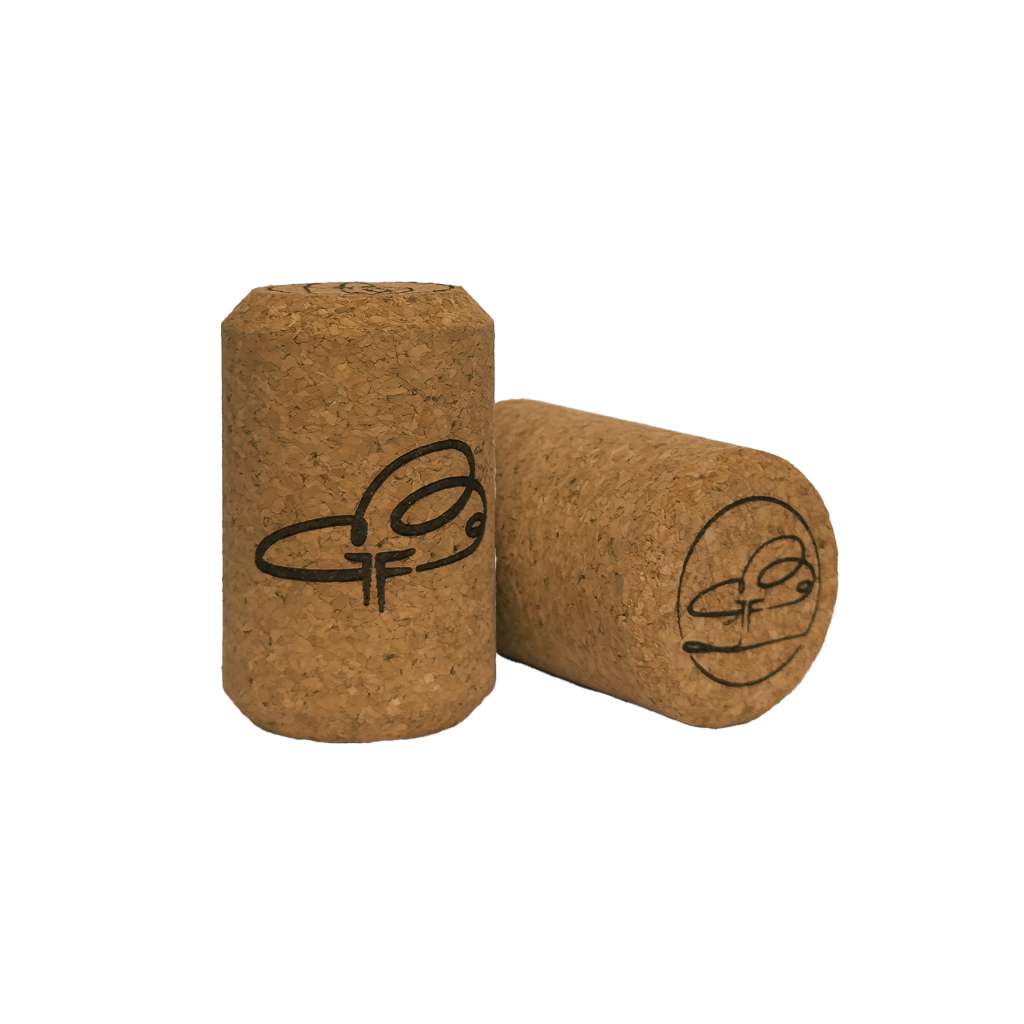
Sparkling stoppers
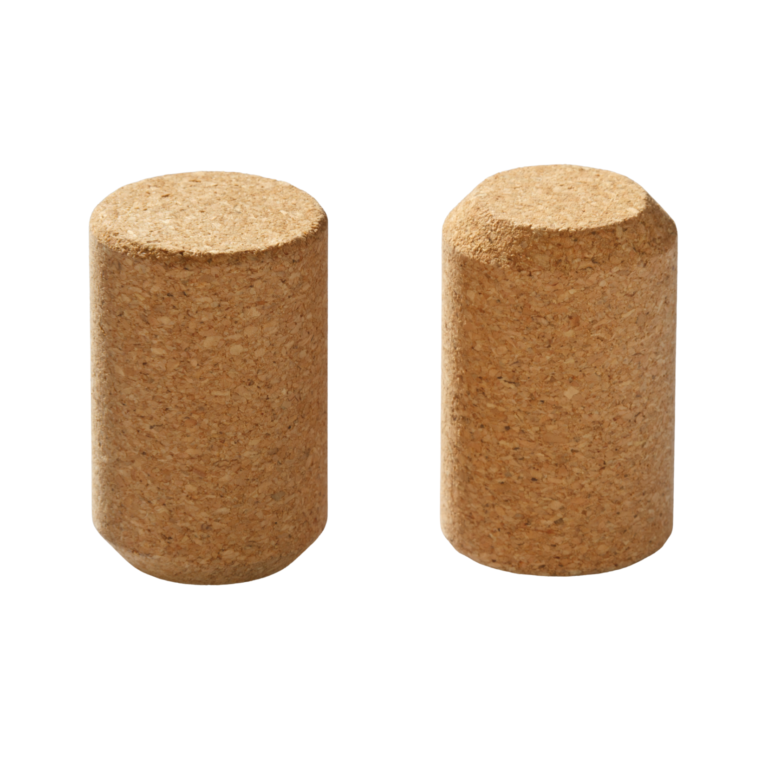
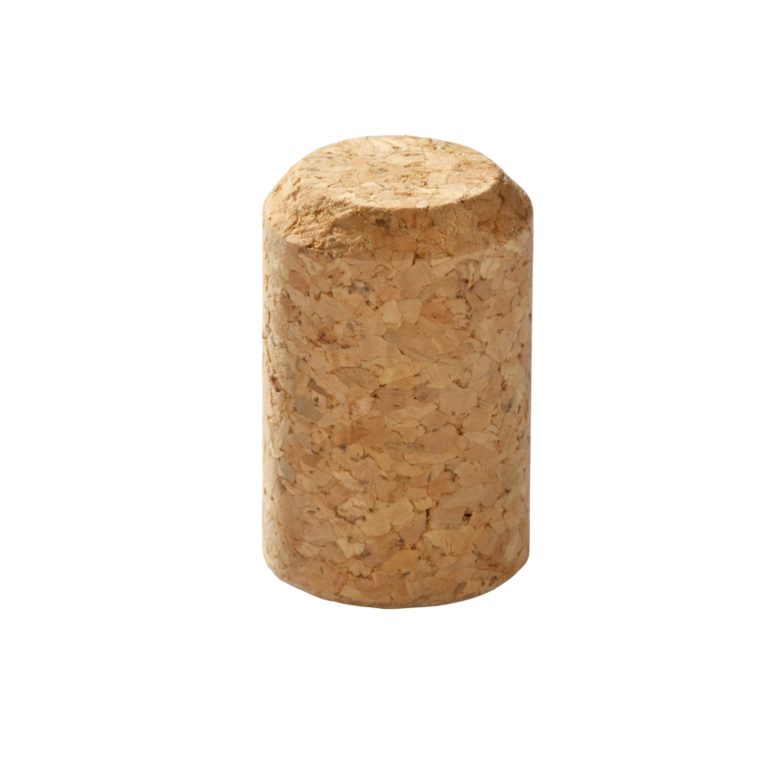
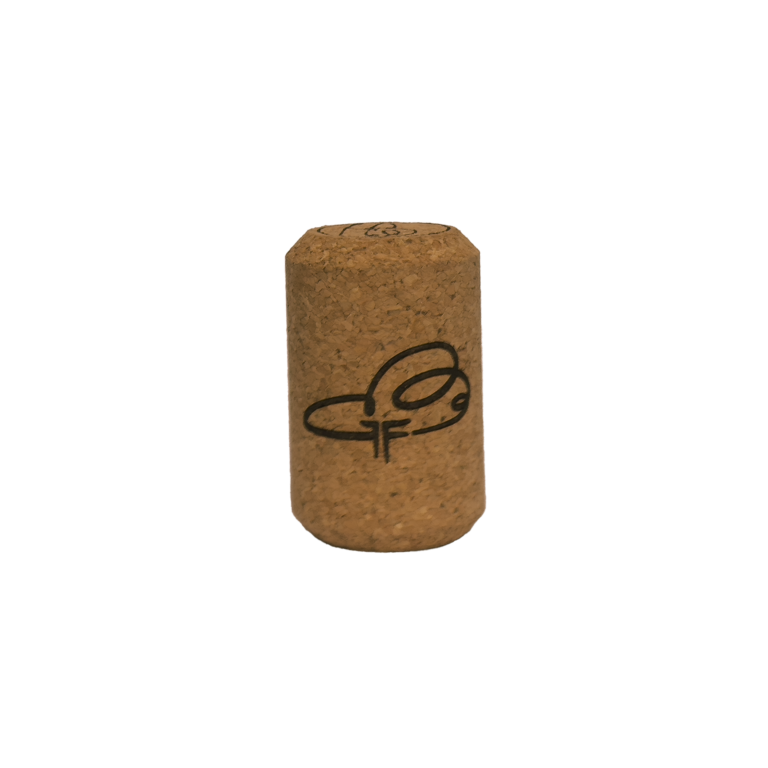
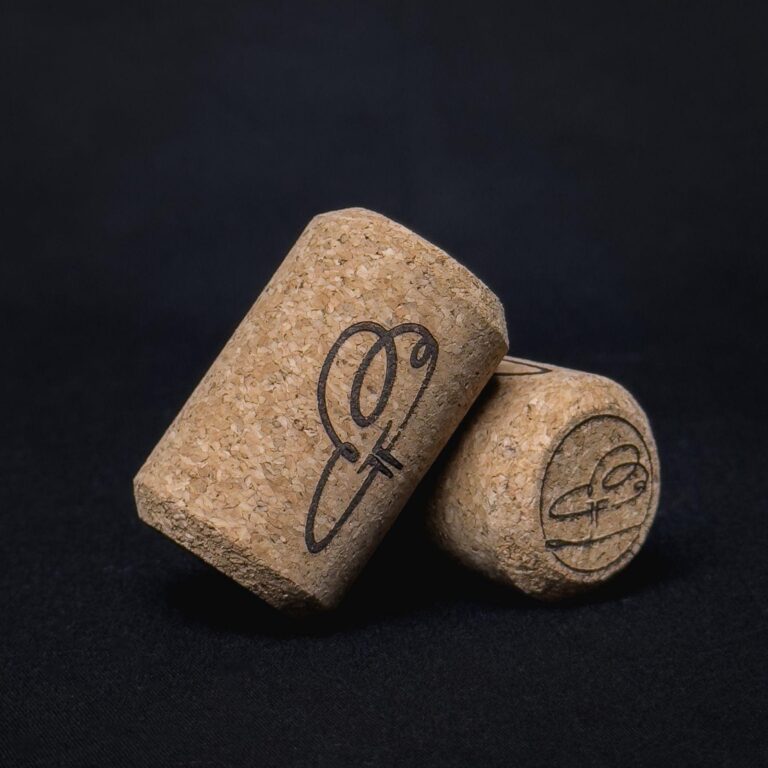
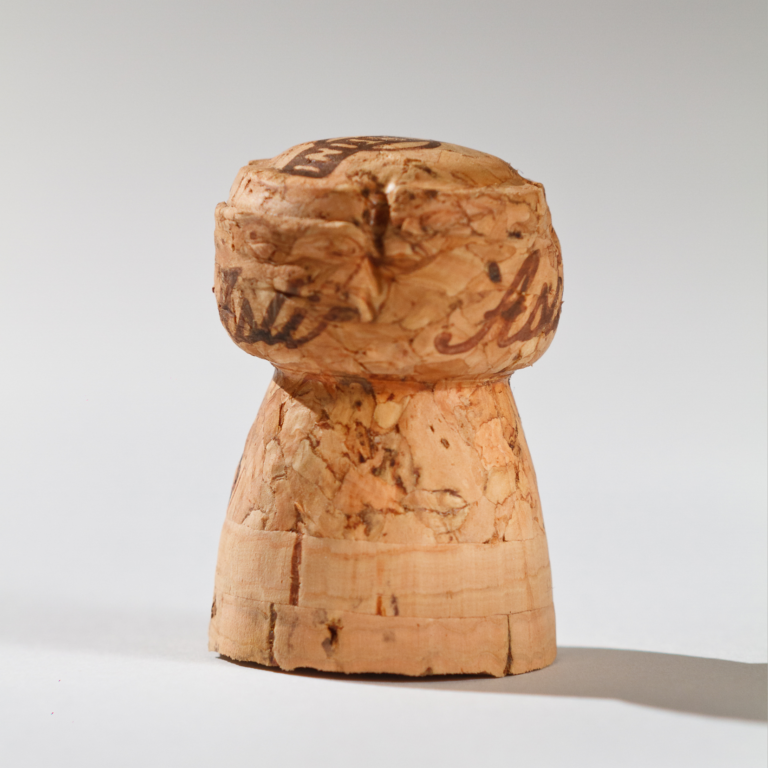
Sparkling wine cork stoppers are specifically designed to seal bottles of sparkling wines, semi-sparkling wines, carbonated wines, and ciders.
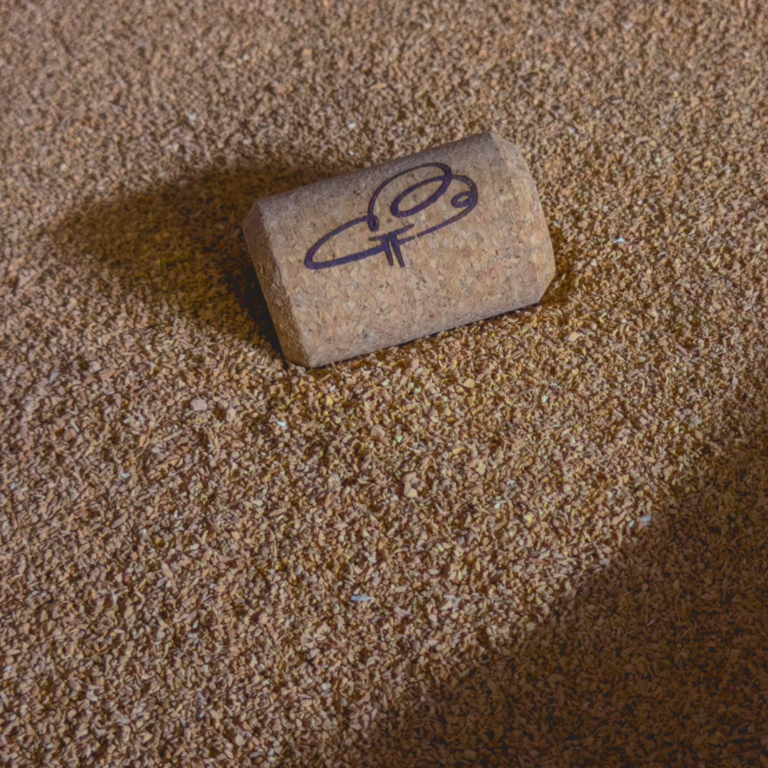
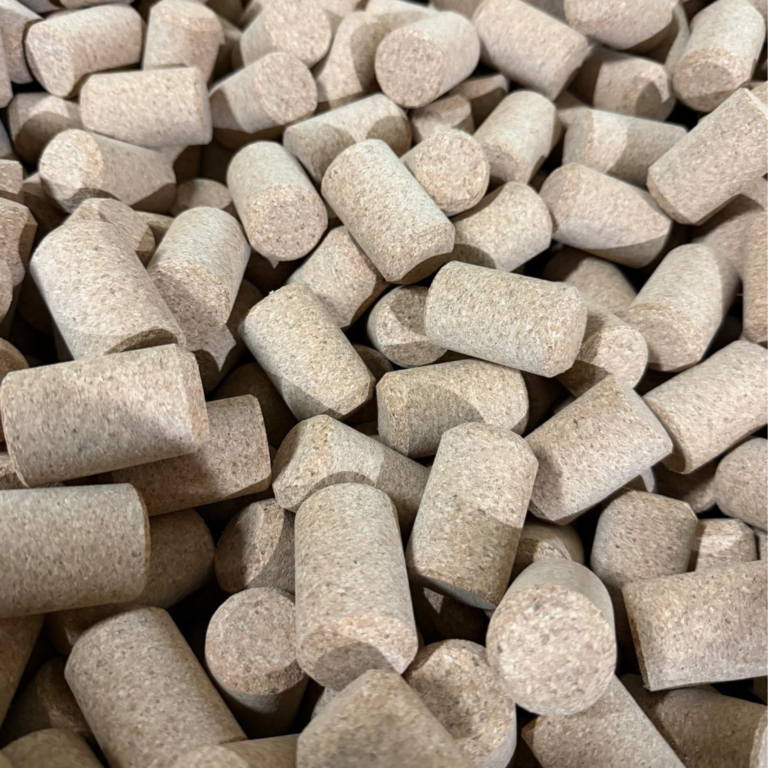
Available exclusively in micro-agglomerated or agglomerated cork, or with one or two natural cork discs on the base, these stoppers withstand high internal pressures, which may reach up to 6 bar. Their construction ensures tightness, mechanical resistance, and preservation of the wine’s sensory characteristics under pressure.
Recommended for: sparkling wines, prosecco, ciders, semi-sparkling wines.
• Corks should be selected taking into account the bottling machine, the type of bottle, and the neck diameter, as well as the type of wine being bottled and the expected market circulation (transportation and turnover time).
• For most wines, while considering the internal profile of the bottle neck, for technical or agglomerated corks, due to their higher density, it is recommended to choose a diameter approximately 5 mm larger than the internal diameter of the neck.
• The cork can be longer and larger in diameter depending on the planned bottle aging time. However, regarding cork length, the minimum space between the bottom of the cork and the wine surface (about 15 mm) must always be respected to provide an expansion chamber that compensates for any wine expansion due to temperature changes.
• For wines with some carbonation (internal pressure above normal), corks with a diameter larger than that recommended for still wines should be chosen. For example, for wines with an internal pressure of about 1 bar, it is recommended to select a cork diameter 8 mm larger than the smallest internal diameter of the neck.
Whenever possible, cork stoppers should be used immediately upon receipt. Long periods of storage should be avoided. The recommended maximum storage period is up to 6 months, under appropriate storage conditions.
Cork stoppers should be stored:
• In cool, dry locations with a stable temperature between 15 ºC (59 ºF) and 20 ºC (68 ºF) and a relative humidity between 50% and 70%.
• In areas free from odors, mold, all types of fuels, and chemical-containing products.
• In areas where no wood treated with chlorinated products is present.
Following these recommendations is essential to ensure that, at the time of bottling, the corks retain their physical and chemical properties and remain free from any external contamination.
• Use only standardized bottle formats.
• Regularly check the bottler jaws, ensuring they remain clean and free of marks to prevent creasing of the cork.
• Ensure that the bottling room temperature remains stable between 15 ºC and 20 ºC (59–68 ºF).
• Perform filling in a vacuum atmosphere or, alternatively, with CO₂ addition.
• Strictly adhere to the nominal volume specified for each bottle.
• Thoroughly clean machines and wine conduits before and after each operation.
• Avoid compressing the cork to less than two-thirds of its diameter, as this can compromise its structure, hinder recovery, or cause leakage.
• The cork insertion depth should be 24 mm ± 2 mm after applying the muselet.
• Bottles should remain upright for at least three minutes after bottling and should not be placed immediately on their side.
• Storage and transportation of the product must fully comply with applicable legal standards.
High pressure resistance
Specifically designed to withstand the demanding internal conditions of carbonated bottles.
Secure and durable sealing
Prevents gas leaks and ensures the preservation of aromas and perlage (sparkling bubbles) until consumption.
High-precision technical composition
Dense agglomerate and natural discs that ensure rigidity and excellent shape memory.
Assured Quality
Produced under strict control standards and extraction force testing.
Request a Quote
If you need more information or would like a quote, please provide your details, and our sales team will get in touch with you.
By submitting the form above, you authorize the processing of your personal data in accordance with our Privacy Policy.
Ao submeter o formulário acima autoriza o tratamento dos seus dados pessoais, de acordo com o disposto na nossa Política de Privacidade.
